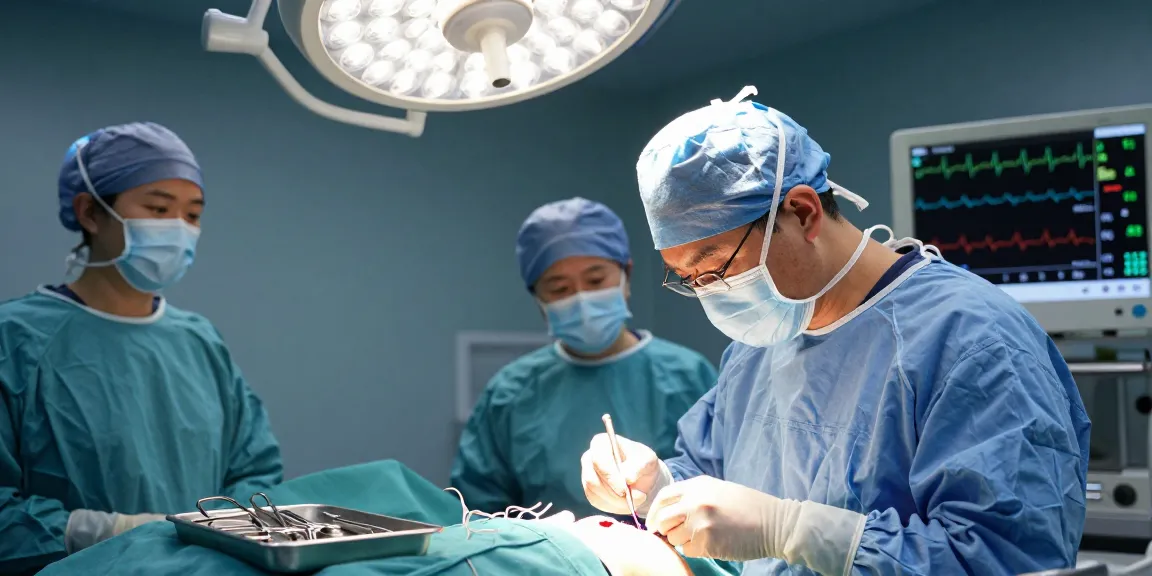
Understanding Sutures: What Every Buyer Needs to Know
Sutures play a critical role in modern surgical procedures, acting as a bridge to facilitate healing after incisions or injuries. With numerous types of sutures available, understanding their specific purposes, materials, and applications is essential for healthcare professionals and patients alike. When exploring options, sutures provide comprehensive insights into the various solutions available, ensuring that they meet the unique needs of individual surgeries and healing processes.
What Are Sutures and Their Types?
Sutures are medical devices used to close wounds or surgical incisions, and they come in various types tailored to specific surgical needs. The two primary categories of sutures are absorbable and non-absorbable sutures. Absorbable sutures are designed to break down in the body over time, making them ideal for internal wounds where removal is not feasible. Non-absorbable sutures, on the other hand, remain in the body indefinitely or must be removed after healing.
- Absorbable Sutures: Made from materials such as polyglycolic acid or catgut, these sutures dissolve over time.
- Non-Absorbable Sutures: Typically made from silk, nylon, or polypropylene, these sutures provide long-lasting support.
Additionally, sutures can be categorized based on their structure: single-strand and braided. Single-strand sutures offer a smooth appearance and ease of use, while braided sutures provide greater strength and hold due to their intertwining fibers. Understanding these variations helps surgical professionals make informed choices for each patient's specific conditions.
How Sutures Work in Surgical Procedures
The primary function of sutures is to hold tissues together after an incision or injury, allowing for proper healing. Suturing techniques vary based on the tissue involved, the location of the incision, and the desired cosmetic outcome. Surgical professionals utilize various suture patterns, such as interrupted, continuous, or mattress sutures, to provide the best support for the healing tissues.
During surgery, the surgeon assesses the wound’s depth, location, and tissue type before selecting the appropriate suture material and technique. Proper suturing not only contributes to effective healing but also minimizes scarring and the risk of complications, such as infection or suture failure.
Common Misconceptions About Sutures
Despite their prevalence in surgical procedures, several misconceptions about sutures persist. One such myth is that all sutures are the same and can be used interchangeably, irrespective of the patient or procedure. In reality, selecting the right suture type and technique is crucial for optimal healing and cosmetic results.
Another common misconception is that sutures always need to be removed once healing is complete. While non-absorbable sutures do require removal, many absorbable sutures dissolve naturally, eliminating the need for a follow-up procedure. Educating patients and healthcare professionals on these nuances is vital to enhancing surgical outcomes.
Choosing the Right Sutures: A Guide for Healthcare Professionals
Selecting the correct suture type is paramount in ensuring successful surgical outcomes. Factors influencing this decision include the nature of the wound, the type of tissue involved, and the anticipated healing time.
Factors to Consider When Selecting Sutures
When choosing sutures, healthcare professionals should consider several key factors:
- Tissue Type: Different tissues (skin, muscle, or fascia) have varying tensile strengths and healing capacities.
- Wound Location: Wounds in highly mobile areas may benefit from non-absorbable sutures for greater support.
- Patient Factors: Considerations such as age, nutritional status, and underlying health conditions can affect healing.
- Cosmetic Outcomes: Surgical procedures with visible incisions may warrant the use of finer, absorbable sutures to minimize scarring.
Comparing Absorbable vs. Non-Absorbable Sutures
The decision to use absorbable or non-absorbable sutures depends on the specific requirements of the surgical procedure. Absorbable sutures provide convenience, as they dissolve on their own and do not require removal. They are ideal for internal procedures where ongoing support is needed without the risk of infection from external removal.
Non-absorbable sutures are essential for situations where long-term tissue support is critical, such as in hernia repairs or orthopedic surgeries. Understanding the advantages and limitations of each type helps surgeons make informed decisions that align with the patient's healing process.
Tips for Matching Sutures to Surgical Requirements
To ensure optimal outcomes, consider the following tips when selecting sutures:
- Assess the wound thoroughly, including depth and location.
- Consult with colleagues to discuss recent advancements in suture technology and materials.
- Stay updated on the latest research regarding suture performance in various tissues.
An informed approach to suture selection enhances healing and maximizes surgical success rates, ultimately benefiting both patients and healthcare professionals.
Best Practices for Suture Application
Implementing best practices during suture application is essential for effective healing and minimizing complications. Proper technique, sterility, and care during the suturing process play significant roles in surgery outcomes.
Step-by-Step Guide to Suture Techniques
To apply sutures effectively, surgeons should follow these crucial steps:
- Prepare the Site: Clean the area thoroughly and drape it to maintain sterility.
- Select the Appropriate Suture Material: Based on the tissue type and healing requirements.
- Choose the Right Suture Method: Decide on the pattern that best suits the closure needs.
- Carefully Place the Sutures: Ensuring appropriate tension without compromising circulation to the tissue.
- Assess the Outcome: Once completed, evaluate the closure for any potential gaps or issues.
Common Challenges When Suturing and How to Overcome Them
Surgeons may face several challenges during suturing, including:
- Tissue Integrity: Fragile or compromised tissues may tear easily, requiring gentle handling.
- Access and Visibility: Poor visibility in deep wounds may hinder effective suturing.
- Infection Control: Maintaining sterility is crucial; accidental contamination can lead to serious complications.
Surgeons can overcome these challenges through careful planning, adaptation of techniques based on real-time observations, and maintaining a sterile environment to reduce infection risk.
Importance of Sterility and Handling Sutures Properly
Maintaining sterility during the suturing process is paramount to preventing surgical site infections. Healthcare professionals should always use sterile gloves and instruments. Sutures should be handled with clean, dry hands or instruments to avoid contamination, and special care should be taken when opening suture packages to maintain their integrity.
Real-World Applications of Sutures in Surgery
Sutures are utilized across a broad spectrum of surgical procedures, from simple skin closures to complex organ repairs. They adapt to various surgical environments and challenges, demonstrating their versatility and essential role in patient care.
Case Studies: Successful Surgeries Using Specialized Sutures
Numerous case studies underline the effectiveness of specialized sutures in surgeries. For example, a recent case involving laparoscopic hernia repair demonstrated enhanced healing times and reduced recurrence rates when utilizing advanced absorbable mesh sutures. Such case studies emphasize the importance of continuous innovation and research in the field of sutures.
Understanding Suture-related Complications
Despite their advantages, sutures can sometimes lead to complications, including:
- Infection: Bacteria can infiltrate the wound site if sterility is compromised.
- Dehiscence: Premature wound opening due to inadequate tension or suturing technique.
- Wound Healing Delays: Improper suture selection may prolong healing time.
Surgeons must remain vigilant in monitoring sutured wounds to identify and address complications promptly, enhancing overall patient care.
Innovations in Suture Materials and Techniques
Recent innovations in suture technology include the development of barbed sutures, which eliminate the need for knots and potentially reduce the time required for closure. Novel materials are also being engineered to promote healing, such as biodegradable sutures embedded with antimicrobial agents. These advancements represent an exciting frontier in surgical practice, aiming to improve outcomes and reduce complication rates.
The Future of Sutures: Trends to Watch in 2026
As the medical field evolves, so too does the landscape of sutures. Technological advancements, shifting surgical techniques, and a growing understanding of material science will shape the future of this essential component of surgery.
Emerging Technologies in Suture Manufacturing
New technologies in suture manufacturing are leading to the creation of materials that can better withstand the rigors of various surgical applications. Innovations such as 3D printing are enabling custom suture designs tailored to specific surgical needs, enhancing both the efficacy and safety of suturing techniques.
Future Predictions for Surgical Suture Applications
In 2026, we can anticipate a greater emphasis on personalized medicine in surgical procedures, including the customization of sutures to match individual patient anatomies and healing responses. The rise of minimally invasive surgical techniques will also drive demand for finer, more adept sutures that can accommodate intricate procedures.
Expert Insights on Enhancing Suture Usage
Experts in the field advise that ongoing education for healthcare professionals is imperative to stay abreast of advancements in suture technology and techniques. Continual training ensures surgeons can apply the latest knowledge to their practices while maintaining high standards of patient care and safety.
How Do I Care for Sutured Wounds?
Proper wound care is essential for fostering healing. Patients should be advised to keep sutured areas clean and dry, follow prescribed aftercare instructions, and recognize signs of infection, such as increased redness or swelling.
What Is the Typical Healing Time for Sutured Wounds?
Healing time for sutured wounds generally varies based on the location and depth of the incision, but most skin sutures typically require about 7 to 14 days for sufficient initial healing.
When Should Sutures Be Removed?
In most cases, sutures should be removed within 7 to 14 days post-operation, depending on the specific situation and the surgeon’s recommendations. Healthcare providers will often assess the healing progress to determine the optimal removal time.
Are There Alternatives to Traditional Sutures?
Yes, alternatives such as tissue adhesives, staples, and absorbable clips are increasingly being used, particularly in specific procedures. These alternatives can provide similar results with potentially less discomfort for patients.
What Are the Costs Associated with Suturing Procedures?
The costs of suturing procedures can vary significantly based on factors such as the type of suture, the complexity of the procedure, and the surgical environment. Understanding these costs is crucial for both patients and healthcare professionals when planning surgical interventions.